Hoarding - Railway Crosing Balaghat Mandla Road Seoni
Railway Crosing Balaghat Mandla Road Seoni , Seoni, Madhya Pradesh
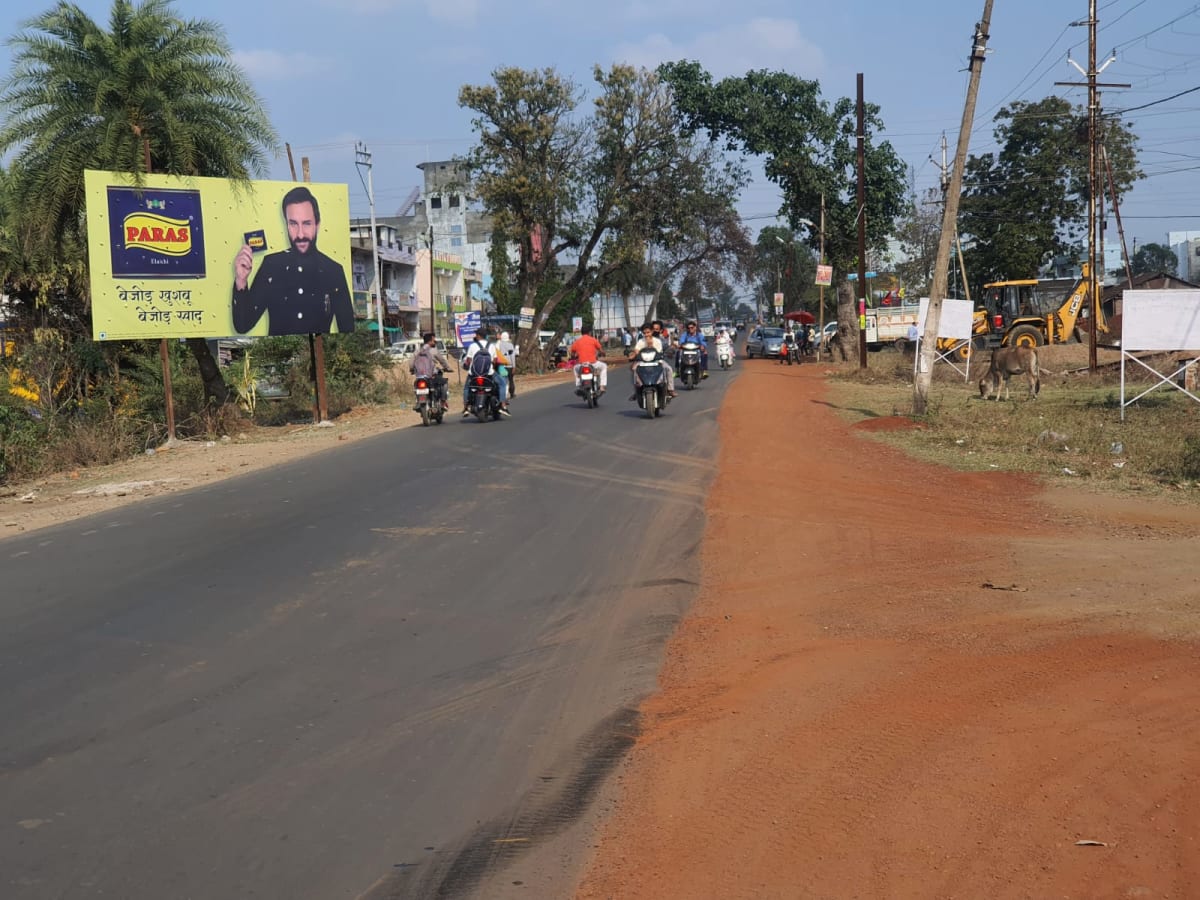
Property Details
Property TypeHoarding
Lit TypeNon-Lit
Size (W x H)20 x 10 Feet
Square Feet200 sq ft
Traffic Data52k+ unique reach/ week
AvailableImmediately
Rate per Sq Ft₹45 / sq ft
Description
 AI Insights by HoardSpace
Overview
This hoarding is located at Railway Crossing on Balaghat-Mandla Road in Seoni, Madhya Pradesh. Positioned at a critical transit junction where vehicular traffic must slow down or stop, this location offers extended visibility to commuters traveling between Seoni, Balaghat, and Mandla districts. The railway crossing ensures captive audience exposure during gate-down periods, making it suitable for brands seeking consistent daily reach in this district headquarters town.
Location Highlights
Seoni is a district headquarters town in central Madhya Pradesh, known for its administrative importance and agricultural trade. The Balaghat-Mandla Road serves as a key inter-district connector, linking Seoni with neighboring commercial centers. Railway crossings in such locations typically experience moderate to high traffic volumes, as they serve both local commuters and inter-city travelers. The area likely includes a mix of residential neighborhoods, small commercial establishments, educational institutions, and agricultural market yards characteristic of district towns in Madhya Pradesh.
Traffic & Footfall Insights
Approximate estimates suggest the following for this locality:
Estimated Daily Vehicle Traffic: 18,000–35,000 vehicles/day
The Balaghat-Mandla Road handles regular inter-district movement including private vehicles, commercial trucks carrying agricultural produce, public buses, and two-wheelers. Railway crossings naturally create traffic congregation points.
Estimated Daily Footfall: 2,000–6,000 pedestrians/day
Moderate pedestrian activity from nearby residential areas, students, and market visitors is typical for such locations in district towns.
Peak Activity Periods: Traffic concentration occurs during 7:30 AM–9:30 AM, 12:00 PM–2:00 PM, and 5:00 PM–7:30 PM, coinciding with school/college timings, market hours, and evening commutes.
Primary Audience: Local residents, inter-district travelers, agricultural traders, students, government employees, and commercial vehicle drivers.
Advertising Potential: The railway crossing location provides forced viewing opportunities during gate-down periods, allowing 2–5 minutes of stationary exposure. Reliable public measurements are unavailable; these are locality-based approximations.
Hoarding Specifications
- Dimensions: 20 ft (width) × 10 ft (height)
- Total Display Area: 200 square feet
- Monthly Price: ₹9,000
- Property Type: Hoarding
- Lighting: Non-Lit
- Visibility: High during daylight hours; reduced after sunset
- Suitable Advertisement Size: Standard billboard format with bold text and clear visuals
Best Suited For
- Agricultural input companies (seeds, fertilizers, pesticides)
- Financial services and banking institutions
- Educational institutions and coaching centers
- FMCG brands targeting semi-urban markets
- Healthcare providers and diagnostic centers
- Mobile network operators and DTH services
- Automobile dealerships and service centers
- Government awareness campaigns
Why Choose This Hoarding?
- Strategic Railway Crossing Location: Captive audience during gate-down periods ensures prolonged viewing time
- Inter-District Connectivity: Reaches travelers between Seoni, Balaghat, and Mandla districts
- Affordable Pricing: Monthly cost of ₹9,000 makes it accessible for regional and local advertisers
- Consistent Daily Exposure: Regular commuter traffic provides reliable brand visibility
- District Headquarters Advantage: Reaches administrative personnel, traders, and service seekers visiting Seoni
Campaign Suggestions
- Launch regional distribution campaigns for agricultural products during sowing and harvesting seasons
- Promote banking schemes and loan products targeting farmers and small business owners
- Advertise educational institutions ahead of admission periods with clear contact information
- Run healthcare awareness campaigns or promote local diagnostic services
- Highlight FMCG products with simple, memorable slogans suitable for repeated daily viewing
Important Note
The traffic figures (18,000–35,000 vehicles/day), footfall estimates (2,000–6,000 pedestrians/day), and weekly unique reach provided are approximate estimates for the surrounding locality based on typical patterns for district-level roads and railway crossings. These are not measured statistics specific to this hoarding and should be considered indicative only.
Select Campaign Dates
Start Date
Months
End Date (Calculated)
Pricing Details
Monthly Rent Price₹9,000
₹2,400
Mounting Charges (₹5/sqft)₹1,000
Printing and mounting are one-time charges. For subsequent months, only the rent will be applicable.
Total CostDuration: 1.0 Months
₹12,400+ GST
Location Map
Open in Google MapsRecommended Hoardings
Other listings near this location.