Unipole - Near Anaj Mandi
Near Anaj Mandi , Mahendergarh, Haryana
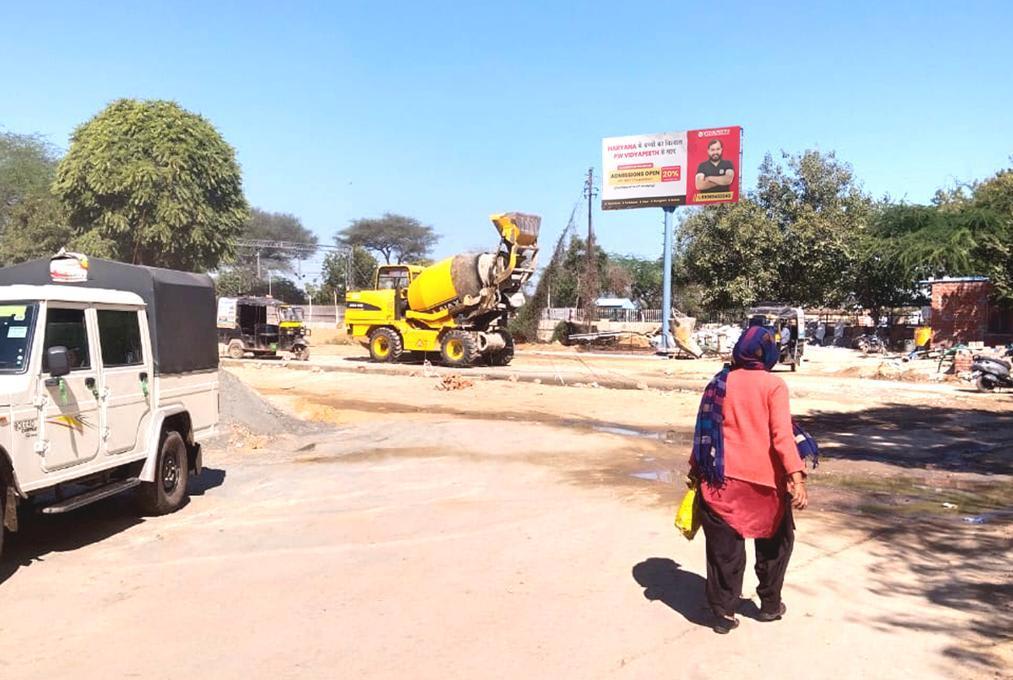
Property Details
Property TypeUnipole
Lit TypeNon-Lit
Size (W x H)20 x 10 Feet
Square Feet200 sq ft
Traffic Data48k+ unique reach/ week
AvailableImmediately
Rate per Sq Ft₹420 / sq ft
Description
 AI Insights by HoardSpace
Overview
This Unipole is strategically positioned near Anaj Mandi in Mahendergarh, Haryana, serving a vital commercial and agricultural hub. Anaj Mandi (grain market) locations typically experience concentrated daily activity from farmers, traders, commission agents, transporters, and wholesale buyers. This Unipole offers advertisers access to a high-value audience engaged in agricultural commerce, supply chain logistics, and regional trade.
Location Highlights
Mahendergarh is a district headquarters town in southern Haryana, positioned along National Highway 148B connecting the region to Rewari and further to Delhi NCR. The Anaj Mandi area serves as the primary agricultural wholesale market for the district, handling procurement, trading, and distribution of food grains and pulses. The surrounding locality features a mix of commercial establishments including transport booking offices, agricultural input dealers, repair workshops, banks, and eateries catering to the trading community. The area experiences peak activity during harvest seasons (Rabi and Kharif cycles) when agricultural arrivals surge.
Traffic & Footfall Insights
Estimated Daily Vehicle Traffic: Approximate estimates suggest 12,000–28,000 vehicles/day in the Anaj Mandi vicinity, including tractors, trucks, commercial vehicles, and two-wheelers. Traffic intensity varies significantly based on agricultural seasons and market days.
Estimated Daily Footfall: The surrounding locality may experience 3,000–9,000 pedestrians/day, primarily consisting of farmers, traders, labourers, and market visitors. Footfall peaks during morning trading hours and harvest seasons.
Peak Activity Periods: Morning hours from 6:00 AM–11:00 AM witness maximum activity when grain arrivals and trading are most intense. Mid-morning to early afternoon sees sustained commercial movement.
Primary Audience: Farmers, agricultural traders, commission agents (arhtias), transport operators, warehouse owners, rural entrepreneurs, FMCG distributors, and agricultural input buyers.
Advertising Potential: The location is ideal for brands targeting rural-to-urban consumers with disposable income from agricultural activities. Reliable public measurements are unavailable; these are locality-based estimates.
Unipole Specifications
- Dimensions: 20 ft (width) × 10 ft (height) — 200 square feet of advertising space
- Monthly Price: ₹84,000
- Property Type: Unipole
- Lighting: Non-Lit (daylight visibility only)
- Visibility: Ground-level positioning suitable for slower-moving traffic and pedestrian attention
- Suitable Advertisement Size: Large format — 20×10 ft
Best Suited For
- Agricultural Inputs: Seeds, fertilizers, pesticides, farm equipment manufacturers
- Banking & Insurance: Crop loans, Kisan Credit Cards, agricultural insurance schemes
- Automobiles: Tractors, commercial vehicles, two-wheelers popular in rural markets
- FMCG Products: Mass-market consumer goods targeting rural purchasing power
- Telecom & Financial Services: Mobile operators, digital payment platforms, microfinance institutions
- Warehousing & Logistics: Cold storage facilities, transport services, grain procurement agencies
Why Choose This Unipole?
- Positioned at a high-concentration commercial node with daily agricultural trade activity
- Access to farmers and traders during active purchasing decisions and seasonal income cycles
- Strong visibility for brands serving rural and semi-urban consumer segments
- Captures attention of transport and logistics professionals managing regional supply chains
- Seasonal peaks during harvest periods amplify reach and impact for targeted campaigns
- Cost-effective entry point for brands establishing presence in Haryana's agricultural belt
Campaign Suggestions
- Launch campaigns for agricultural input products timed with sowing seasons (Rabi/Kharif)
- Promote tractor and farm equipment financing schemes with special harvest-season offers
- Advertise mobile banking and digital payment adoption programs for rural entrepreneurs
- Highlight crop insurance products and government-backed agricultural schemes
- Market rural consumer durables and two-wheelers capitalizing on post-harvest purchasing power
Important Note
The traffic, footfall, and weekly unique reach figures provided are approximate estimates based on the typical characteristics of Anaj Mandi localities in district headquarters towns in Haryana. These are not measured statistics specific to this Unipole. Actual exposure may vary based on agricultural cycles, market days, seasonal fluctuations, and local commercial activity patterns.
Select Campaign Dates
Start Date
Months
End Date (Calculated)
Pricing Details
Monthly Rent Price₹84,000
₹2,400
Mounting Charges (₹5/sqft)₹1,000
Printing and mounting are one-time charges. For subsequent months, only the rent will be applicable.
Total CostDuration: 1.0 Months
₹87,400+ GST
Location Map
Open in Google MapsRecommended Hoardings
Other listings near this location.