BQSHYD-162 - Model Bus Shelter - Sri Nagar Colony (Srinagar Colony to Krishna Nagar)
Sri Nagar Colony (Srinagar Colony to Krishna Nagar), Hyderabad, Telangana
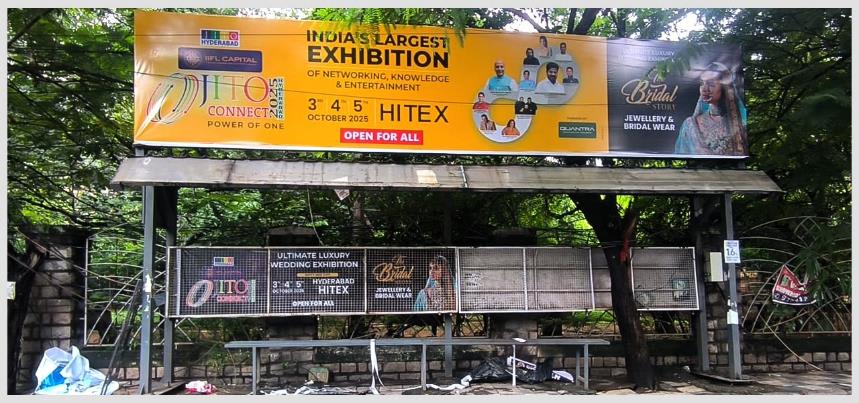
Property Details
Property TypeHoarding
Lit TypeBack Lit
Size (W x H)25 x 5 Feet
Square Feet125 sq ft
Traffic Data68k+ unique reach/ week
AvailableImmediately
Rate per Sq Ft₹480 / sq ft
Description
 AI Insights by HoardSpace
Overview
This back-lit hoarding is located in Sri Nagar Colony, a well-established residential and commercial locality in Hyderabad, along the corridor connecting Srinagar Colony to Krishna Nagar. The hoarding offers visibility to commuters traveling through this densely populated eastern Hyderabad zone, known for its mix of residential neighborhoods, educational institutions, and local commercial activity.
Location Highlights
Sri Nagar Colony is situated in the eastern part of Hyderabad, close to major residential clusters and commercial pockets. The corridor toward Krishna Nagar serves as a connector route for daily commuters, students, and local shoppers. The area benefits from proximity to educational institutions, small to mid-sized retail outlets, clinics, and local markets. The locality is well-connected through local bus services and auto-rickshaw routes, making it a consistent traffic zone throughout the day. The surrounding area is predominantly residential with growing commercial activity, ensuring a stable and engaged local audience.
Traffic & Footfall Insights
Estimated Daily Vehicle Traffic: Approximate estimates suggest 20,000–40,000 vehicles/day along this route, consisting primarily of two-wheelers, auto-rickshaws, and private cars. Traffic peaks during morning and evening hours as residents commute to nearby commercial areas, schools, and workplaces.
Estimated Daily Footfall: The surrounding locality may experience 3,000–8,000 pedestrians/day, including local residents, students, and shoppers visiting nearby shops and markets.
Peak Activity Periods: 7:30 AM–9:30 AM and 5:00 PM–8:00 PM on weekdays. Weekend footfall remains moderate due to local shopping activity.
Primary Audience: Local residents, middle-income families, students, daily commuters, and neighborhood shoppers.
Advertising Potential: The back-lit feature ensures high visibility during evening hours, making this hoarding suitable for brands targeting local communities with consistent, repeat exposure.
Hoarding Specifications
- Dimensions: 25 ft (W) × 5 ft (H)
- Monthly Price: ₹60,000
- Property Type: Hoarding
- Lighting: Back Lit
- Visibility: High during evening and nighttime hours
- Suitable Advertisement Size: Horizontal format with clear branding and messaging
Best Suited For
- Local retail and grocery stores
- Educational institutions and coaching centers
- Healthcare and diagnostic centers
- Banking and financial services
- Real estate developers targeting local buyers
- Consumer electronics and home appliances
- FMCG and household products
Why Choose This Hoarding?
- Back-lit illumination ensures consistent visibility after dark, maximizing impact during evening commute hours
- Located along a key residential connector route with stable, repeat audience exposure
- Affordable monthly cost makes it ideal for local businesses and extended campaigns
- Reaches middle-income families and students, a valuable demographic for everyday brands
- Horizontal format allows for clear, impactful messaging visible to slow-moving traffic
Campaign Suggestions
- Promote local store offers, discount campaigns, or seasonal sales targeting neighborhood shoppers
- Advertise admissions for nearby schools, colleges, or coaching centers during key enrollment periods
- Highlight banking services, loan products, or investment schemes for local residents
- Showcase healthcare services, diagnostic packages, or wellness programs
- Launch awareness campaigns for real estate projects or housing schemes in eastern Hyderabad
Important Note
Traffic, footfall, and weekly unique reach figures provided are approximate estimates based on the locality's characteristics and are not direct measurements of this hoarding's performance.
Select Campaign Dates
Start Date
Months
End Date (Calculated)
Pricing Details
Monthly Rent Price₹60,000
₹1,500
Mounting Charges (₹5/sqft)₹625
Printing and mounting are one-time charges. For subsequent months, only the rent will be applicable.
Total CostDuration: 1.0 Months
₹62,125+ GST
Location Map
Open in Google MapsRecommended Hoardings
Other listings near this location.