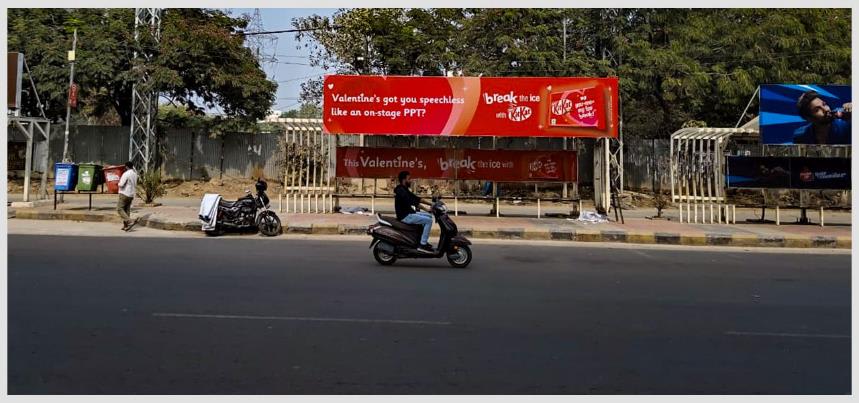
BQSMETROHYD-51 - Metro Bus Shelter - Balanagar - Infront of Metro Station - 1
Balanagar - Infront of Metro Station - 1, Hyderabad, Telangana
Property Details
Property TypeHoarding
Lit TypeBack Lit
Size (W x H)25 x 5 Feet
Square Feet125 sq ft
Traffic Data68k+ unique reach/ week
AvailableImmediately
Rate per Sq Ft₹480 / sq ft
Description
 AI Insights by HoardSpace
Overview
This strategically positioned metro bus shelter is located directly in front of Balanagar Metro Station in Hyderabad, Telangana. The hoarding benefits from excellent visibility due to its backlit display and placement at a critical transit convergence point where metro commuters, bus passengers, pedestrians, and vehicular traffic intersect throughout the day.
Location Highlights
Balanagar is a well-established mixed-use locality in northwest Hyderabad, characterized by significant residential populations, commercial establishments, and industrial presence. The area serves as an important node along the Hyderabad Metro network, connecting residents and workers to major employment hubs across the city. The metro station attracts daily commuters from surrounding neighborhoods including Kukatpally, Moosapet, and JNTU areas. The locality features a mix of middle-income housing, retail shops, educational institutions, and small-scale industries, creating consistent footfall throughout the week.
Traffic & Footfall Insights
Approximate estimates for this busy metro station vicinity suggest:
Estimated Daily Vehicle Traffic: 25,000–45,000 vehicles/day along the main road serving the metro station, including two-wheelers, auto-rickshaws, cars, and buses.
Estimated Daily Footfall: 15,000–30,000 pedestrians/day, primarily metro commuters entering and exiting the station, bus passengers at the shelter, and local residents accessing nearby commercial establishments.
Peak Activity Periods: 7:00 AM–10:00 AM (morning commute), 5:00 PM–8:00 PM (evening return), and moderate activity during afternoon hours.
Primary Audience: Daily metro commuters, working professionals, students, local residents, and shoppers.
Advertising Potential: The combination of metro station proximity and bus shelter placement ensures repeated exposure to the same audience during their daily commute patterns, making it ideal for brand recall campaigns.
Note: Traffic and footfall figures are approximate estimates for the surrounding locality and not measured statistics of the hoarding.
Hoarding Specifications
- Dimensions: 25 ft (W) × 5 ft (H)
- Total Display Area: 125 square feet
- Monthly Price: ₹60,000
- Property Type: Metro Bus Shelter
- Lighting: Backlit (ensures 24-hour visibility)
- Visibility: High visibility to metro commuters, bus passengers, pedestrians, and passing vehicles
- Suitable Advertisement Size: Horizontal banner format ideal for bold messaging and brand logos
Best Suited For
- Mobile network providers and telecom services
- Banking and financial services
- E-commerce platforms and delivery apps
- Educational institutions and training centers
- FMCG products targeting daily commuters
- Healthcare services and diagnostic centers
- Real estate projects in northwest Hyderabad
Why Choose This Hoarding?
- Located directly at metro station entrance, capturing commuters at decision-making moments
- Backlit display ensures clear visibility during early mornings, evenings, and night hours
- Bus shelter placement guarantees prolonged viewing time by waiting passengers
- Serves a captive audience of regular daily commuters for consistent brand exposure
- Competitive monthly pricing for a high-traffic transit location
- Horizontal format well-suited for memorable taglines and brand messaging
Campaign Suggestions
- Launch campaigns for mobile apps targeting urban commuters during their daily travel
- Promote educational courses and skill development programs to working professionals
- Advertise quick-service restaurants and food delivery platforms for meal solutions
- Promote banking products like personal loans, credit cards, or digital payment services
- Real estate developers can showcase upcoming residential projects in accessible localities
Important Note
The traffic, footfall, and weekly unique reach figures provided are approximate estimates based on the characteristics of the surrounding locality and typical transit patterns at metro stations. These are not measured statistics specific to this hoarding. Actual exposure may vary based on seasonal factors, metro ridership trends, and local events.
Select Campaign Dates
Start Date
Months
End Date (Calculated)
Pricing Details
Monthly Rent Price₹60,000
₹1,500
Mounting Charges (₹5/sqft)₹625
Printing and mounting are one-time charges. For subsequent months, only the rent will be applicable.
Total CostDuration: 1.0 Months
₹62,125+ GST
Location Map
Open in Google MapsRecommended Hoardings
Other listings near this location.